
Wisdom Tooth Extraction – San Ramon, CA
Protecting Your Smile by Removing Your Third Molars
The wisdom teeth aren’t necessary for your mouth to function correctly, so if they seem to be causing serious problems, it’s best to have them removed by an emergency dentist as soon as possible. Is there anyone in your family who still has their wisdom teeth or is expecting to get their wisdom teeth soon? If so, we recommend calling our office in the near future; our reliable Oak Ridge Dental team members can determine whether or not an extraction is truly needed.
Why Choose Oak Ridge Dental for Wisdom Tooth Extraction?
- Same-Day Emergency Appointments Available
- Relaxing Dental Sedation Offered
- We Take Various Dental Insurance Plans
What are Wisdom Teeth?
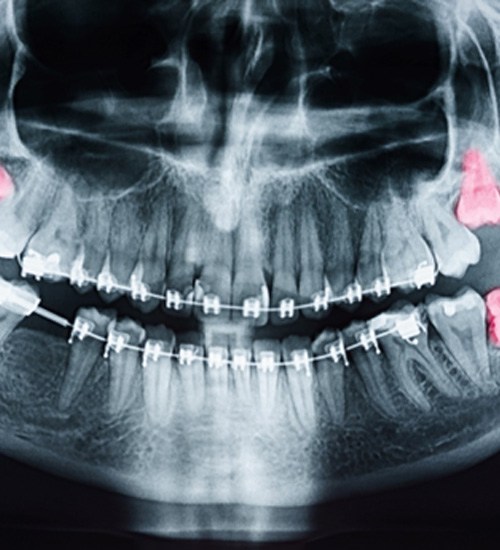
“Wisdom teeth” is another name for your third molars, which are the last set of teeth to erupt in your mouth. Compared to your other permanent teeth, the wisdom teeth tend to emerge much later – often between the ages of 17 and 21. It should be noted that not everyone has the exact same number of wisdom teeth. Most have four while others only have one to three, and some might not have any in the first place.
Why Do Wisdom Teeth Need to Be Removed?
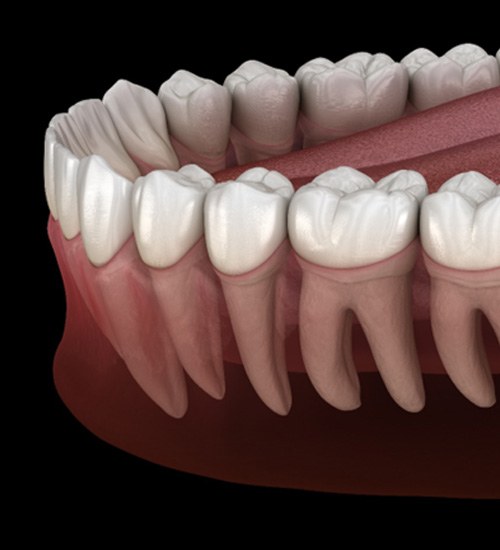
If your wisdom teeth have been able to erupt successfully and aren’t causing any problems, it may be okay for you to keep them. That being said, a wisdom tooth extraction may be required if:
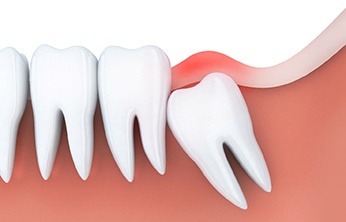
- The wisdom teeth are completely or partially trapped under your gums.
- The wisdom teeth are causing you significant discomfort.
- The wisdom teeth have caused cysts to form in your mouth.
- The wisdom teeth are putting you at an increased risk for tooth decay and/or oral infection.
- The wisdom teeth are pushing your other teeth out of alignment.
What to Expect from the Wisdom Teeth Procedure
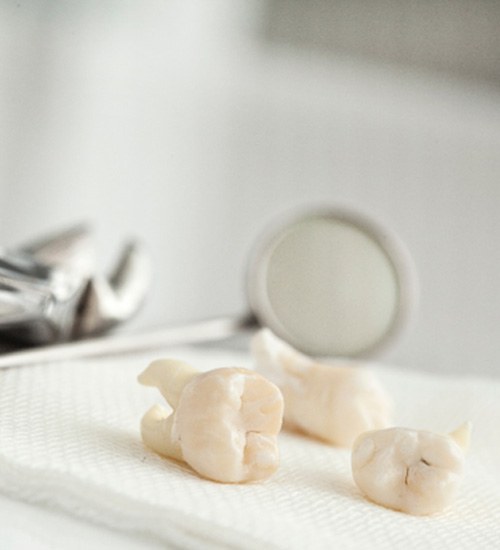
Fully erupted wisdom teeth can sometimes be removed via a simple extraction. This procedure involves loosening the tooth in question with a dental elevator before carefully taking it out of the mouth with forceps.
However, impacted wisdom teeth generally require a surgical extraction. The gums will need to be opened so that the teeth in question can be removed. Depending on the circumstances, the teeth may be divided into sections that are taken out one at a time. Our team can refer patients out if they require more complex extractions, that way we can ensure they have the best possible chance for a successful treatment.
Recovering from Wisdom Tooth Extraction

Once your wisdom tooth extraction is complete, you should carefully follow any aftercare instructions that our team gives you so that the recovery process stays on track. Be sure to:
- Control your discomfort with pain medication.
- Stay away from hard or crunchy foods for the time being.
- Keep your head raised when you go to bed.
- Give yourself plenty of time to rest.
- Avoid doing anything that can dislodge a blood clot, such as spitting or using a straw.
- Get in touch with us immediately if your pain grows unusually severe.
Understanding the Cost of Wisdom Tooth Extractions

Once we have determined that a wisdom tooth extraction is the right choice for your smile, one of the first things you’ll likely want to know is how much the procedure will cost. There’s no single universal answer to this question since there are several factors to take into account. No matter what the final price looks like, though, our team is ready to help make the care that your smile needs as affordable as possible.
Factors That Can Impact the Cost of Wisdom Tooth Extractions
When figuring out what the cost of your wisdom tooth extraction will look like, we will take a look at the following variables:
- The Number of Teeth Involved: Many patients will have all four wisdom teeth extracted at once. However, some individuals elect to only have one or two teeth removed during a single procedure, and others may not even have four wisdom teeth to begin with. Figuring out the number of teeth being taken out is crucial for determining how much the overall process will cost.
- The Complexity of the Procedure: If your wisdom teeth are impacted, it will be more difficult (and therefore more costly) for our team to remove them.
- Sedation: Do you need to have some type of dental sedation performed to help you stay calm and comfortable during your wisdom tooth extraction? If so, the chosen method of sedation will carry its own cost.
Does Dental Insurance Cover Wisdom Tooth Extractions?

Dental insurance can make a variety of dental procedures more affordable, but it’s important to be aware of the specifics of your plan. We suggest reviewing your benefits to see what coverage is available for wisdom tooth extractions. Many insurance companies will be willing to pay 50% to 80% of the total cost of the procedure, with the exact level of coverage depending on factors such as whether the teeth in question are impacted.
If you have any questions about your dental insurance coverage and how you can use your benefits to pay for your wisdom tooth extraction, our team is here to help. Additionally, if there are any claims that need to be filed, our team will handle them so that you have one less thing to worry about.
How to Make Wisdom Tooth Extractions Affordable

While we do take a number of dental insurance plans, we also want to make sure that uninsured patients still have options when it comes to paying for their care. As such, we do offer financing, allowing you to sign up for an affordable payment plan that can reduce much of the strain on your bank account. If you would like to learn more about the financing options available at our practice, you can reach out to us today or talk to our team about it the next time you visit us.
Wisdom Tooth Extraction FAQs
How Should I Prepare for My Wisdom Tooth Extraction?
There are several steps you can take to make sure you’re ready for your wisdom tooth extraction in San Ramon:
- If you’re planning to have anesthesia or oral conscious sedation administered during the procedure, make arrangements to have a trusted friend or family member take you home afterward.
- Follow any instructions that our team gives you. For example, you may be told not to eat or drink anything for a certain amount of time prior to your wisdom tooth extraction.
- Make sure that your refrigerator and pantry are stocked with plenty of soft foods that you will be able to enjoy during the recovery process.
- Refrain from smoking for at least 12 hours prior to your appointment.
- If you have any questions or concerns about your wisdom tooth extraction, please let our team know; we’ll be more than happy to provide any information you might need.
Is Wisdom Tooth Removal Painful?
No. At the beginning of the procedure, we will administer a local anesthetic to numb your mouth. This will help ensure that you don’t experience any discomfort during the extraction process; at most, you may notice some slight pressure.
Once the local anesthetic wears off, there may be some soreness and general discomfort. These symptoms should go away on their own after a while, and you can keep them under control with over-the-counter pain medication.
What’s the Best Age to Get Wisdom Teeth Removed?
There is no upper age limit for wisdom tooth extraction, but it’s generally better to have the procedure performed between the ages of 17 and 25. The roots of the wisdom teeth will grow longer over time; if they’re allowed to fully develop, it could end up making the extraction process more complex. On top of that, it often takes longer for older patients to fully heal after the procedure.
In short, if you are told that you need a wisdom tooth extraction, it’s typically in your best interest to have it performed as soon as possible. This can help you avoid further complications, such as cysts and damage to your other teeth.
How Do You Avoid Dry Socket After Wisdom Teeth Removal?
When you have a wisdom tooth taken out, a blood clot will form in the socket where it used to be. The purpose of the blood clot is to keep the underlying bone and nerves safe while your mouth is healing. If the blood clot is dislodged prematurely, the result is a dry socket, which can be very painful and slow down the healing process.
To keep the chances of a dry socket occurring to a minimum, you should:
- Avoid drinking through a straw, spitting, blowing your nose, or smoking.
- Only eat soft foods until your mouth has sufficiently healed.
- Be very gentle when brushing near the extraction site.
Be sure to call your dentist in San Ramon right away if you have any reason to think that a dry socket may have occurred.